US prescription drug spending will top $560 billion in 2026, according to current projections. This would represent an 8.2% increase from the previous year.
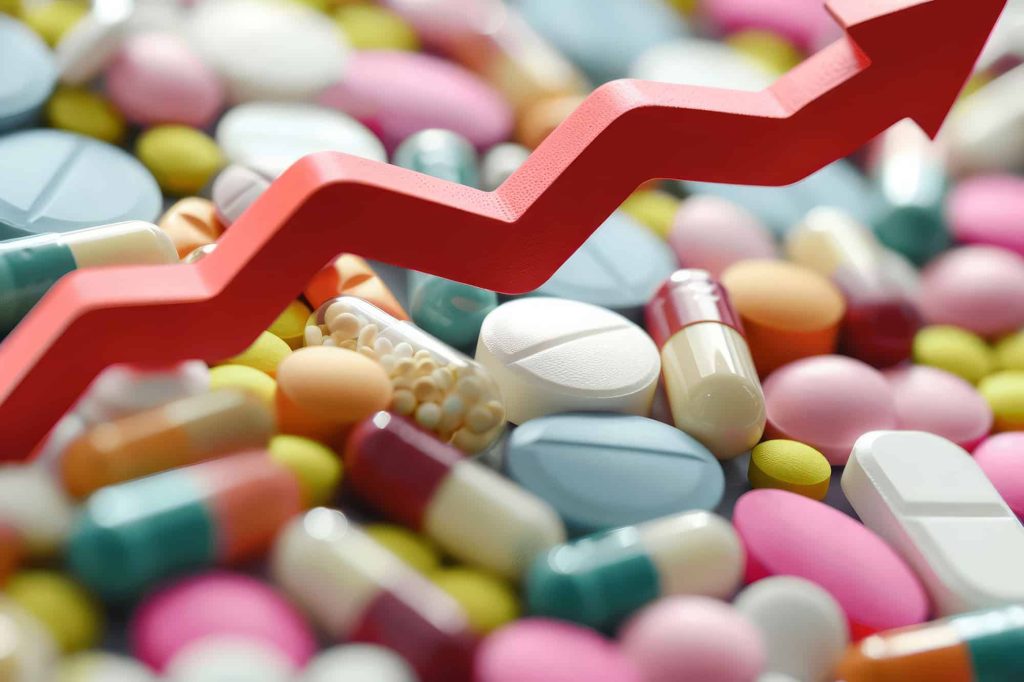
Growing demand for obesity and diabetes treatments is partly driving this rise. These include a new generation of GLP-1 medicines.
Projections show prescription medicines outpacing all other major categories of healthcare spending in the US. Their growth highlights the financial impact of expanding access to weight-loss and diabetes treatments.
Forecasters expect the country’s total healthcare expenditure to cross the $6 trillion mark in 2026. This includes spending by federal and state governments, businesses and households.
The Centers for Medicare and Medicaid Services published the projections in a report.
GLP-1 Medicines Drive Treatment Demand
Demand for GLP-1 medicines has grown rapidly since the US Food and Drug Administration approved Novo Nordisk’s Wegovy for chronic weight management in 2021.
The medicines mimic a naturally occurring hormone. This hormone helps regulate appetite and control blood sugar.
Researchers originally created GLP-1 therapies to manage diabetes. However, their use has expanded as clinical evidence has supported their role in weight management.
A 2025 poll by health policy organisation KFF found that almost one in five US adults had used a GLP-1 medicine. About one-quarter of those users said they had paid for the treatment themselves.
Analysts expected out-of-pocket spending on prescription medicines to rise by 5% in 2025. Patients faced insurance copayments or paid the full price of obesity and diabetes treatments without financial support.
The growing use of these medicines has created difficult funding decisions. Insurers, employers and government health programmes must decide which patients qualify for coverage.
US Prescription Drug Spending Reshapes Coverage
Eli Lilly and Novo Nordisk reached an agreement with the Trump administration in November. The deal aimed to reduce the prices of their weight-loss medicines.
In exchange, the companies were expected to receive tariff relief. The agreement also sought to expand access for Medicare patients.
The administration later dropped a proposal that would have required insurers to fund the treatments for older Americans. Instead, Medicare plans will use taxpayer funding to cover the cost of medicines until the end of next year.
The policy shift reflects a wider challenge for the US healthcare system. Policymakers want to improve access to effective treatments. However, they must also control the rising costs of public programmes.
Medicare Costs Rise With An Ageing Population
An ageing population is expected to place further pressure on national healthcare expenditure.
More Baby Boomers are becoming eligible for Medicare. Many will also require additional medical care as they grow older.
Medicare spending is forecast to reach $1.3tn in 2026. This would be a 9.2% increase from the previous year.
The report also highlighted the potential impact of the One Big Beautiful Bill Act. President Donald Trump signed the legislation into law in July 2025.
The law introduced employment and other eligibility requirements for some adults receiving Medicaid. These changes are expected to reduce enrolment in the programme.
Rising medicine use, higher Medicare costs and an ageing population will continue to shape US healthcare spending. GLP-1 treatments may deliver major health benefits. However, their rapid adoption is also transforming the economics of healthcare access and funding.
The report was published in the journal Health Affairs.
Read the Original Article (May require a subscription)