Millions of animals are used worldwide to test medicines, chemicals and cosmetics. Mice, rats, rabbits, dogs and primates may experience pain or distress during these experiments.
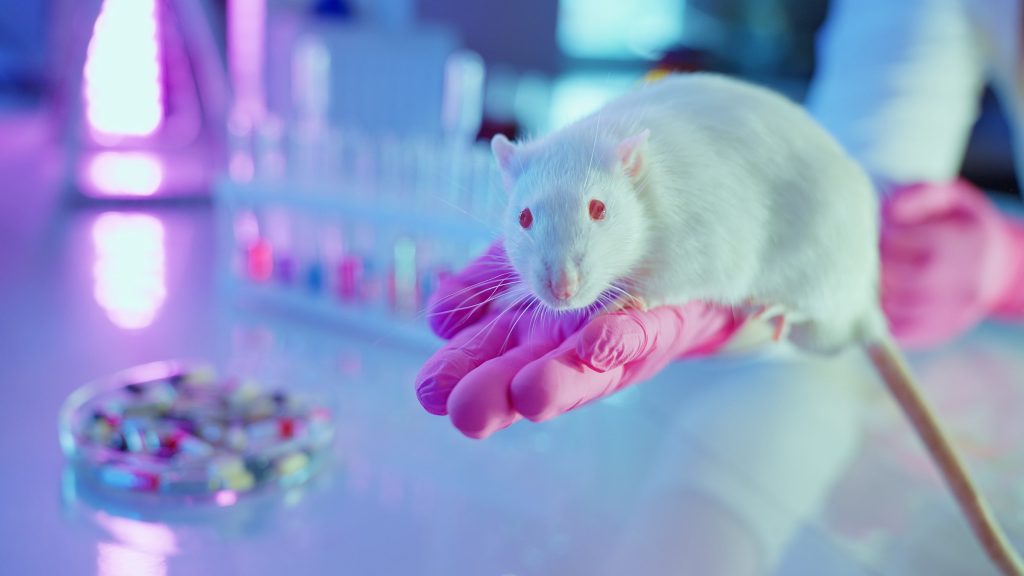
Animal testing has traditionally been defended as necessary to protect human health. However, advances in artificial intelligence are challenging that argument.
Machine-learning systems can now predict drug toxicity, organ damage and chemical hazards. In some cases, their performance is comparable to conventional animal experiments.
Models trained on molecular structures and biological data have reportedly predicted acute oral toxicity with accuracy rates of between 80% and 92%. AI systems examining heart-tissue data have also predicted several forms of drug-related cardiac damage with 79% accuracy for known medicines.
An AI consensus model for skin sensitisation has achieved about 80% accuracy. The model has been accepted by the Organisation for Economic Co-operation and Development. Its use could remove the need for some animal-based safety tests.
These developments strengthen the scientific case for replacing animal experiments. They also support long-standing ethical concerns about animal suffering.
AI Alternatives To Animal Testing May Improve Human Relevance
Animals are imperfect substitutes for people. Rats, rabbits, and dogs can respond differently to chemicals because each species processes substances differently.
This can limit the value of animal results when researchers assess human risks.
AI-driven testing offers a more human-relevant approach. Algorithms can analyse large datasets covering human biology, molecular interactions, clinical outcomes and real-world drug responses.
Researchers developing Tox-GAN, a generative AI system, reported that it generated synthetic liver tissue data with 99.7% similarity to biological samples. This type of technology could help scientists investigate possible toxic effects without using live animals.
Other non-animal methods are also advancing. These include organ-on-chip systems, computational biology and laboratory-grown human tissues.
Together, these technologies could reduce development costs and identify unsafe compounds earlier. They could also improve the accuracy of decisions about human health.
Explainable AI systems may offer additional benefits. Platforms such as KidneyTox can predict whether a drug candidate could damage the kidneys. They can also identify the molecular features linked to that risk.
This information could help chemists reject harmful compounds before they enter expensive development programmes.
Regulators Begin To Support Non-Animal Methods
Regulation has often slowed the adoption of alternatives to animal testing. However, international authorities are beginning to accept computational approaches.
The OECD recognises non-animal methods for certain skin-sensitisation assessments. In 2025, the US Food and Drug Administration released a roadmap supporting approaches designed to reduce animal use and improve human relevance.
The European Union is also incorporating computational tools into its chemical-safety frameworks.
Virtual control groups represent another potential alternative. These systems use AI-generated comparison data to reduce the number of animals required as experimental controls.
Greater regulatory acceptance will be essential. Pharmaceutical and chemical companies are unlikely to replace established testing methods unless authorities provide clear standards for validating AI models.
Africa Could Lead The Testing Transition
AI-powered toxicology presents both an ethical and economic opportunity for Africa.
Many African countries inherited testing regulations developed in other regions. These frameworks often depend heavily on animal experiments.
The continent could leapfrog these systems by investing directly in computational toxicology and human-relevant research. This would mirror the rapid adoption of mobile technology, which allowed many countries to bypass extensive landline infrastructure.
Animal laboratories are expensive to build and maintain. Breeding, housing and caring for research animals require significant funding.
That investment could instead support computing infrastructure, data science education and laboratory-grown human models. Once validated, an AI model can also be shared across institutions at a relatively low additional cost.
South Africa is particularly well placed to support the transition. It has established universities, biomedical researchers and a growing technology sector.
Governments should encourage publicly funded scientists to examine non-animal alternatives. Universities should expand computational toxicology training. Regulators should also align their standards with emerging international practices.
AI alternatives to animal testing cannot immediately replace every experiment. However, they offer a credible route towards safer, more accurate and more compassionate research.
Tags:
- Catherine Botha is a professor of art, culture and technology in the University of Johannesburg’s philosophy department.