Children living in poorly serviced informal settlements face severe health threats. Repeated infections caused by unhygienic living conditions are drastically increasing their vulnerability to development issues.
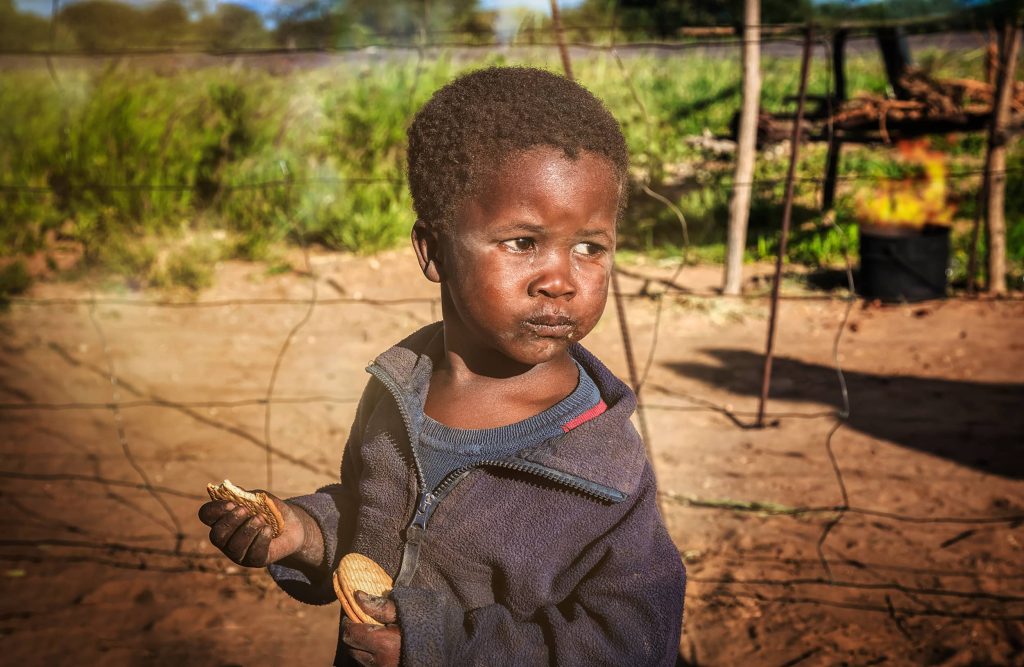
The DG Murray Trust has issued an urgent warning to the healthcare sector. South Africa’s national goal to end child stunting by 2030 hangs in the balance. The non-profit organisation stresses that all spheres of government must take immediate, decisive action.
According to the trust’s CEO, David Harrison, stunting occurs when chronic malnutrition leaves children abnormally short for their age. The scale of the crisis is immense. More than one in four South African children under the age of five are currently affected.
How Municipal Failures Fuel Child Stunting Risks
The root of the problem often begins before birth. It rapidly worsens when infants face constant exposure to poor sanitation, unsafe drinking water, and uncollected waste. These environmental hazards trigger frequent bouts of diarrhoea and gut damage. Consequently, small children cannot absorb vital nutrients, even when food is available.
This damage is often permanent. It impairs physical growth and restricts brain development. Ultimately, it leaves children with weakened immune systems and poorer prospects in education and future employment.
Local authorities hold the key to mitigating these Child Stunting Risks by improving basic services. While primary healthcare falls under provincial jurisdiction, municipalities manage the local environment. Regular refuse removal and the provision of clean water directly shield a child’s developing immune system.
The Critical Window Of The First 1,000 Days
Public health experts agree that the most vital period for intervention is the first 1,000 days of life. This window spans from conception to a child’s second birthday.
To safeguard development, healthcare strategies must expand beyond basic food security. Interventions must actively prevent and rapidly treat childhood infections. The DG Murray Trust is calling for affordable staple proteins and better support for maternal health.
Furthermore, maternal malnutrition, HIV, and alcohol use during pregnancy heavily drive low birth weights. Low birth weight significantly increases later health risks. South Africa’s rate of foetal alcohol spectrum disorder remains significantly higher than the global average. Municipalities could curb harmful drinking by restricting liquor outlet licences and operating hours in residential zones.
Addressing Child Stunting Risks Through Urban Farming
Interestingly, South Africa produces an adequate total food supply. The real crisis lies in unequal access driven by poverty, unemployment, and high inflation.
Liezel Engelbrecht, nutrition lead at the Hold My Hand Accelerator, suggests that local governments look to international models like Chile, Brazil, and Ethiopia. Successful nations tightly coordinate healthcare, sanitation, and food security programmes at a community level.
Because the majority of citizens live in urban areas, unused municipal land presents a major opportunity. Turning these spaces into urban agricultural hubs could supply fresh produce directly to families and early childhood development centres. This targeted approach is essential to reduce Child Stunting Risks in vulnerable communities.
National leaders are also stepping up to combat Child Stunting Risks across the country. In his recent 2026 State of the Nation Address, President Cyril Ramaphosa reaffirmed the state’s commitment to the 2030 target. The government plans to focus heavily on the first 1,000 days, ensuring pregnant women and underweight infants receive essential nutritional support.
Read the Original Article (May require a subscription)