Diabetes deaths in SA have risen sharply, and the disease has become one of South Africa’s most serious public health threats. New mortality figures show that it was the country’s leading underlying natural cause of death in 2023. According to death notification data processed by Stats SA and reviewed by the Diabetes Alliance, diabetes accounted for 27,692 deaths.
That represented about 5.8% of all recorded fatalities. It was also the second year in a row that diabetes ranked first among natural causes of death.
The numbers mean that about 78 people die from diabetes-related causes every day.
Cerebrovascular diseases, including strokes, followed at 5.4% of recorded deaths. Hypertensive diseases accounted for 5.2%.
Diabetes Deaths In South Africa Hit Women Hardest
The burden has been especially severe among women.
More than 16,000 women die from diabetes in South Africa each year. This highlights the deep link between diabetes, obesity, poverty and limited access to preventive healthcare.
Among men, tuberculosis remained the leading cause of death. It accounted for 5.1% of fatalities. Cerebrovascular diseases followed at 4.4%, while diabetes ranked third at 4.3%.
The Diabetes Alliance has now written to President Cyril Ramaphosa, Finance Minister Enoch Godongwana and Health Minister Dr Aaron Motsoaledi. It is calling on the government to recognise diabetes as a national public health emergency.
Obesity And Late Diagnosis Drive The Crisis
Diabetes Alliance chairperson Dr Patrick Ngassa Piotie said the crisis could no longer be ignored.
He said diabetes had become an even bigger health challenge than many other major conditions facing South Africa.
Several factors are driving the rise in type 2 diabetes. These include obesity, poor nutrition, sedentary lifestyles, urbanisation and poverty. Limited access to preventive healthcare is also worsening the problem.
Piotie pointed to the 2016 South African Demographic and Health Survey. It found that 13% of women and 8% of men were living with diabetes. The same survey showed that 68% of women and 31% of men were overweight or obese.
Many people are diagnosed too late. Others do not know they have diabetes until serious complications develop.
Diabetes Complications Add Pressure To Hospitals
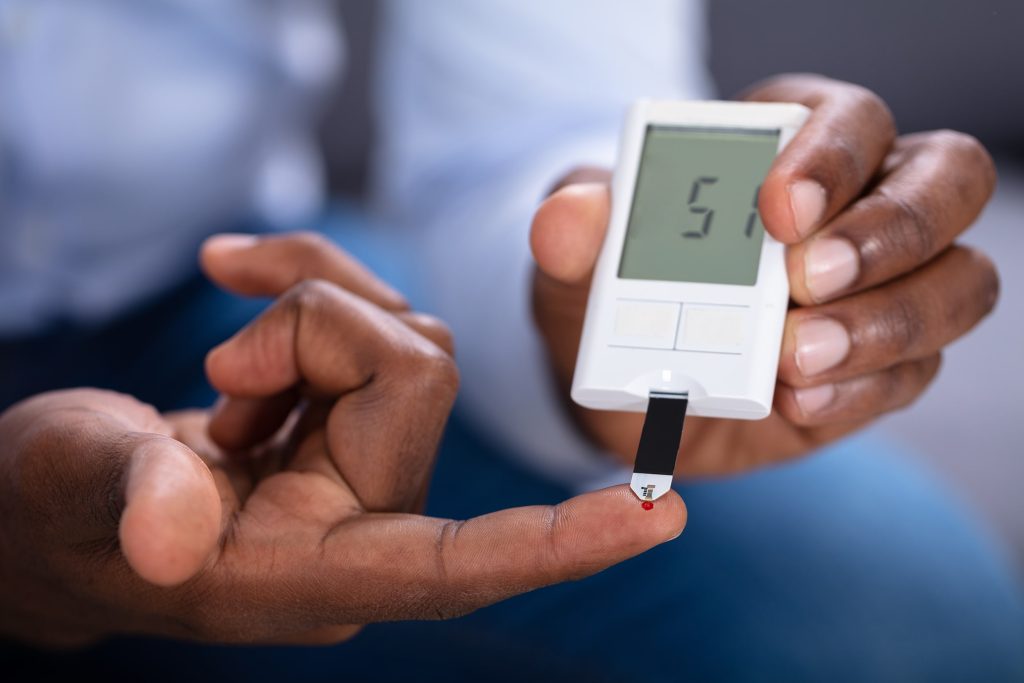
Diabetes can be silent in its early stages. This makes regular blood sugar screening essential.
When diabetes is not managed, it can damage the kidneys, heart, blood vessels, eyes and nerves. It can also lead to stroke, heart disease, kidney failure, severe infections and vision loss.
These complications are placing growing pressure on the public healthcare system.
State hospitals are already facing backlogs for cataract surgery and other diabetes-related procedures. Many people are also losing their sight from complications that could have been prevented.
Screening And Education Are Now Critical
Health advocates say diabetes receives too little attention and funding.
Piotie also raised concern about the lack of a national diabetes patient registry. Without routine monitoring, it is harder to track diagnoses, treatment and disease control.
He called on the National Department of Health to work with business to deliver localised, evidence-based diabetes education.
The awareness initiative Fighting Diabetes is urging South Africans to visit clinics for free blood sugar screenings. Warning signs include excessive thirst, frequent urination, unexplained fatigue and sudden weight changes.
Early diagnosis, regular screening and public education are now essential. Without urgent action, avoidable diabetes deaths in South Africa are likely to keep rising.
Read the Original Article (May require a subscription)