South Africa’s long-acting HIV prevention programme has entered a new phase. President Cyril Ramaphosa and Health Minister Aaron Motsoaledi led an official rollout event in Secunda, Mpumalanga, on 5 June 2026.
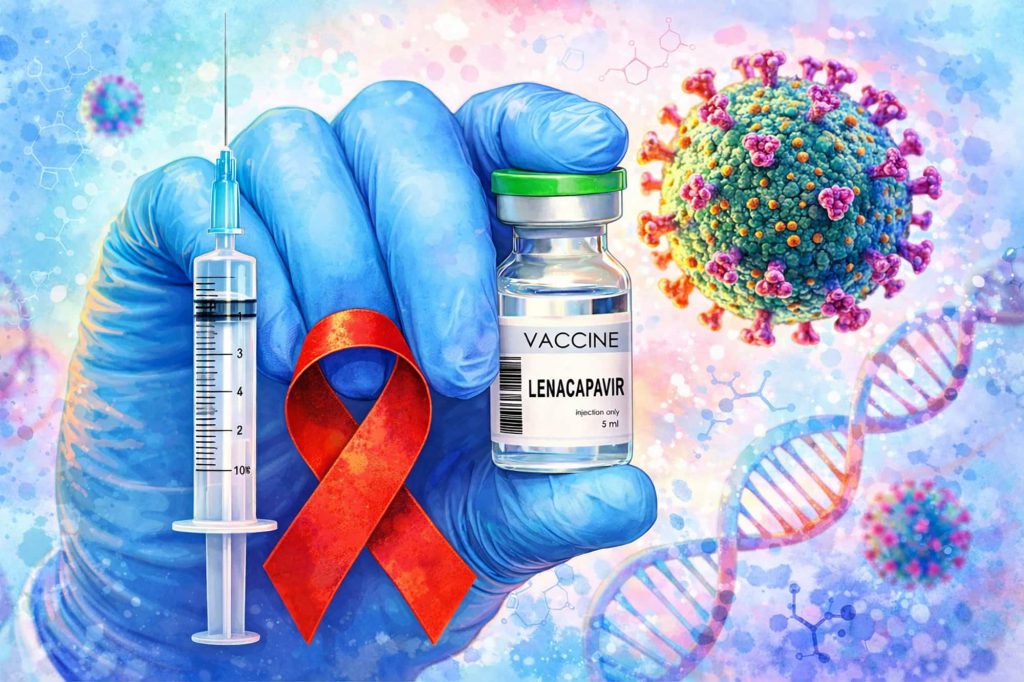
The twice-yearly injection of lenacapavir prevents HIV infection when used as prescribed. Health officials position the product as a major addition to the country’s prevention toolkit. This is alongside condoms, oral PrEP, testing, and treatment-as-prevention. Gilead, the manufacturer, has framed South Africa’s launch as a partnership-driven step that could accelerate progress. Global health funders and country leadership support it.
But the launch has also triggered a sharp response from civil society groups. They argue that the initial supply is far too limited to meaningfully shift the trajectory of the epidemic.
Civil Society Challenges The Rollout Plan
Activist organisations say the public messaging risks outpacing the practical impact. Their central point is scale. South Africa carries the world’s largest HIV burden. About 7.8–8 million people are living with HIV. Roughly 170,000 new infections occur each year, according to widely cited national estimates repeated by Gilead and major news agencies.
Against that backdrop, campaigners say the volumes expected in the first phase look “symbolic”. Public reports indicate that the country has a limited allocation. Health officials describe early shipments as small relative to the need and projected demand in high-incidence communities.
They also point to operational friction. Critics cite post-importation testing requirements set by the South African Health Products Regulatory Authority (SAHPRA) as a factor slowing the pace of stock movement from arrival to clinic use. Furthermore, these requirements impose another constraint during a period when high demand competes for every dose.
Why the Lenacapavir HIV Prevention Injection Scale Will Decide Outcomes
The government has indicated the initial rollout will prioritise groups with the highest risk of infection. These include adolescent girls and young women, sex workers, men who have sex with men, people who inject drugs, and transgender people. That approach is consistent with targeted prevention models. Their aim is to maximise the number of infections averted per dose when supply is tight.
Still, civil society groups argue that “targeting” cannot compensate for a supply ceiling that is simply too low. They want the Presidency to intervene directly with Gilead to secure larger volumes and a faster route to sustainable access.
Local Manufacturing And Generic Access Move Centre Stage
A second front is manufacturing. South Africa and its partners have pushed for local production capacity. Officials have adopted this approach both to reduce reliance on a limited supply of imports and to strengthen the regional security of supply. Reuters reported in March 2026 that South Africa was actively seeking local production arrangements for lenacapavir. This came after criticism that earlier voluntary licensing deals did not include local manufacturers. ([Reuters][4])
Gilead has highlighted royalty-free, voluntary licensing with multiple manufacturers to support future generic scale-up in eligible countries.
Activists, however, want faster movement from licensing frameworks to real-world supply. They also want clearer commitments that the local industry will not be left behind.
Read the Original Article ( May require a subscription)