A R2.7 million Liver Perfusion Machine has been introduced at the Wits University Donald Gordon Medical Centre. It is the first transplant centre in Africa to use this technology for liver transplantation.
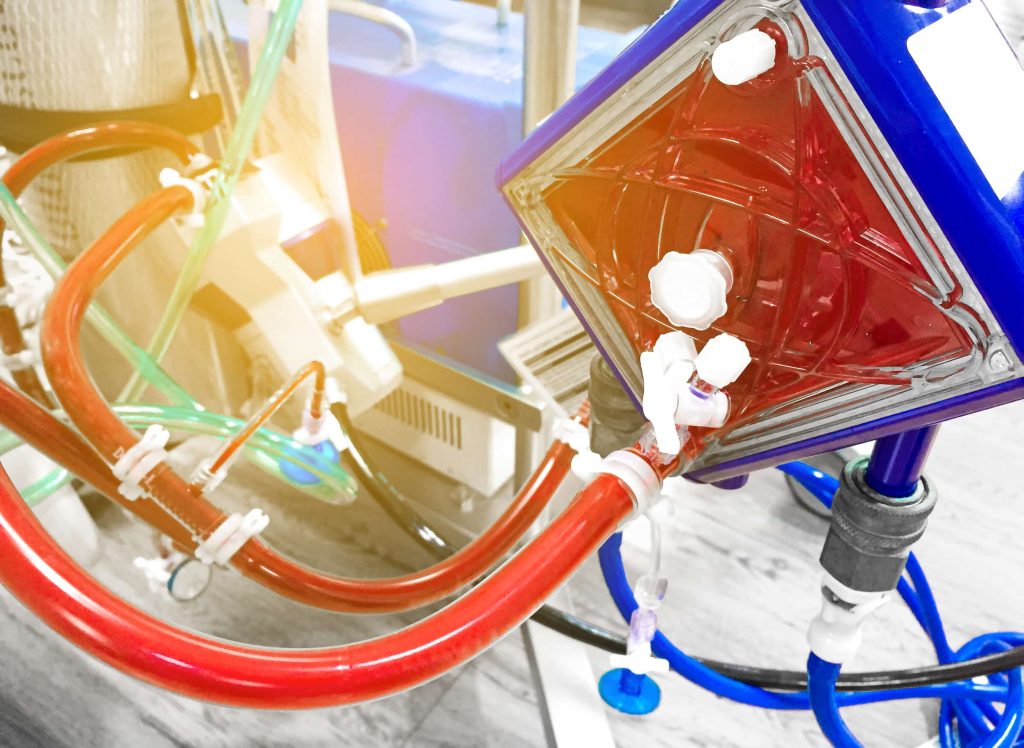
The machine can preserve and resuscitate donor livers outside the body. It works by pumping warm, oxygenated blood and nutrients through the organ. This gives doctors more time and better information before deciding whether a liver is suitable for transplant.
Professor Jerome Loveland, head of solid organ transplantation at the medical centre, said the device is currently the only one of its kind on the continent.
The technology was introduced through a partnership between Wits University Donald Gordon Medical Centre, Surgeons for Little Lives and corporate sponsor Weelee.
Liver Perfusion Machine Could Expand Access To Transplants
Doctors believe the Liver Perfusion Machine could help increase the number of donor livers available for transplant. It may also reduce postoperative complications and improve survival rates among patients awaiting life-saving operations.
South Africa faces a severe shortage of donor organs. This leaves transplant teams under pressure when deciding which organs can be used safely.
In some cases, donor livers may not appear suitable at first. This technology allows doctors to assess the organ more closely. It may also help improve the condition of some livers before transplant.
Wits University Donald Gordon Medical Centre is home to one of Africa’s leading liver transplant programmes. It has performed more than 1,000 liver transplants.
Prof Loveland said the machine would help doctors assess donor organs and increase the number of livers that can be transplanted safely. He said it could also improve patient outcomes.
Liver Perfusion Machine Helps Doctors Assess Donor Organs
Dr Sharan Rambarran, a transplant surgeon at the medical centre, said the technology gives doctors far more information about the condition of a liver before surgery.
The machine can also help resuscitate the organ. It delivers oxygen to liver cells and creates a better metabolic environment outside the body.
This is important in transplant medicine. Better organ assessment can help doctors make safer decisions. It can also reduce uncertainty before complex surgery.
For patients, this could mean improved access to liver transplants. It could also mean better recovery after surgery.
Organ Donation Remains Critical
Despite the breakthrough, doctors stressed that organ donation remains essential. Technology can help improve the assessment and use of donor organs. But it cannot replace the need for more registered donors.
Public awareness remains a major part of improving transplant access in South Africa. More people need to understand how organ donation can save lives.
The arrival of this technology is a major step for transplant surgery in Africa. It strengthens local capacity and gives doctors another tool to support patients with severe liver disease.
For patients waiting for a liver transplant, the development offers new hope. It also highlights the need for continued investment in specialist healthcare, organ donation systems and transplant services.
Read the Original Article (May require a subscription)