South Africa’s pharmaceutical sector has become a major industrial battleground. The government is pushing hard to localise production and boost public procurement. It also wants to rebuild domestic capacity. However, outside forces are complicating these goals.
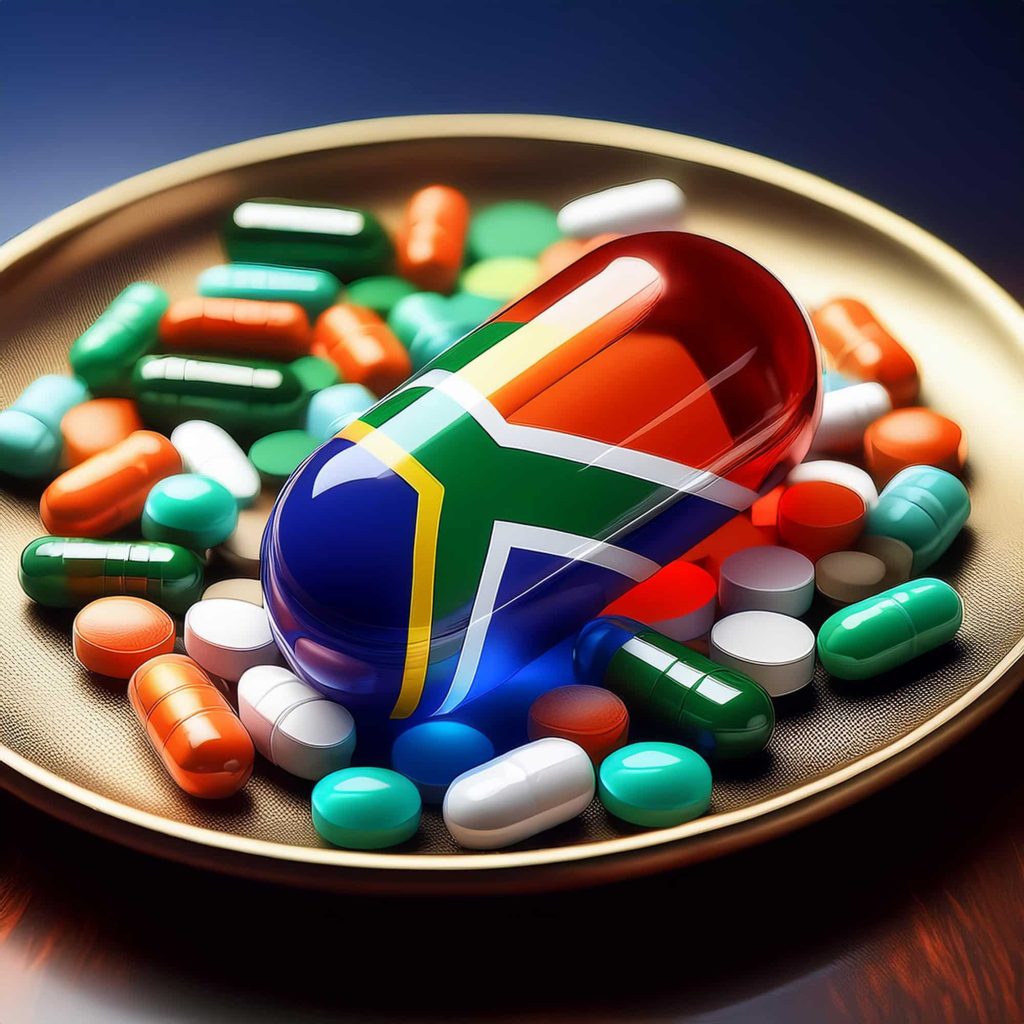
Trade, Industry and Competition Minister Parks Tau delivered this warning at a recent stakeholder engagement. He noted that foreign investors remain highly interested in South Africa’s healthcare market. Yet, certain funding models threaten the country’s long-term industrial plans.
Why SA Pharma Localisation Is Stalling In Public Tenders
Some Western investors offer financial support to South African firms but attach restrictive conditions. These strings often favour their own domestic economies. For instance, potential funders for Cape Town-based vaccine manufacturer Biovac might offer grants or loans. However, they insist that critical inputs must come from Europe. Tau warns this approach uses South African policy to support foreign factories instead of local jobs.
Local industry leaders agree that domestic production is losing vital ground. According to Pharmaceuticals Manufactured in South Africa (Pharmisa), the state drives 70% of all domestic pharmaceutical procurement. Despite this massive buying power, foreign importers still dominate public sector tenders.
Stavros Nicolaou, Aspen executive and chair of Pharmisa, revealed a stark decline in domestic procurement. Over the past 12 years, the local manufacturing share fell from 55% to just 14% in key categories. In 2008, local producers won 92% of state tenders. Today, that figure sits at a dismal 22%. In value terms, local awards plummeted from 71% to 24%. Nicolaou stressed that South Africa must first fix its own house before asking global buyers such as Gavi or UNICEF to trust local medicines.
Biovac Expansion Drives National Vaccine Strategy
Despite these setbacks, the state prioritises pharmaceuticals and vaccine production. The government wants to attract foreign capital while keeping transformation central to growth.
Biovac is a black-owned public-private partnership. It serves as the flagship project for this national turnaround strategy. In his 2026 budget vote, Minister Tau confirmed that development finance institutions will fund Biovac’s Cape Town facility. This expansion will enable end-to-end manufacturing. It aims to produce up to 40 million vaccines annually for global export markets.
Biovac CEO Morena Makhoana confirmed the company is currently developing four new products. These target major international buyers like UNICEF and Gavi. The products are undergoing technology transfer development. While focusing on exports, Biovac continues to supply the local Department of Health.
Balancing SA Pharma Localisation With Global Medical Innovation
Achieving total independence is complex. Multinational pharmaceutical companies argue that total localisation is unrealistic for highly complex treatments. Specialised expertise and advanced delivery systems are difficult to replicate overnight.
Neel Andhee-Shah, interim country president for AstraZeneca’s African cluster, supports the state’s manufacturing vision. However, he emphasises that the market must still welcome global innovation. Highly specialised fields like oncology and advanced injectables require a global scale.
Currently, global innovators face fierce competition from generics in public tenders. These tenders focus heavily on low pricing and high volume. For multinational firms, investing in local infrastructure depends entirely on sustainable demand. South Africa and the wider African continent must offer enough volume to justify building local factories.
Read the Original Article (May require a subscription)